Control immigration controllers to stop the loss of lives in the Mediterranean Sea
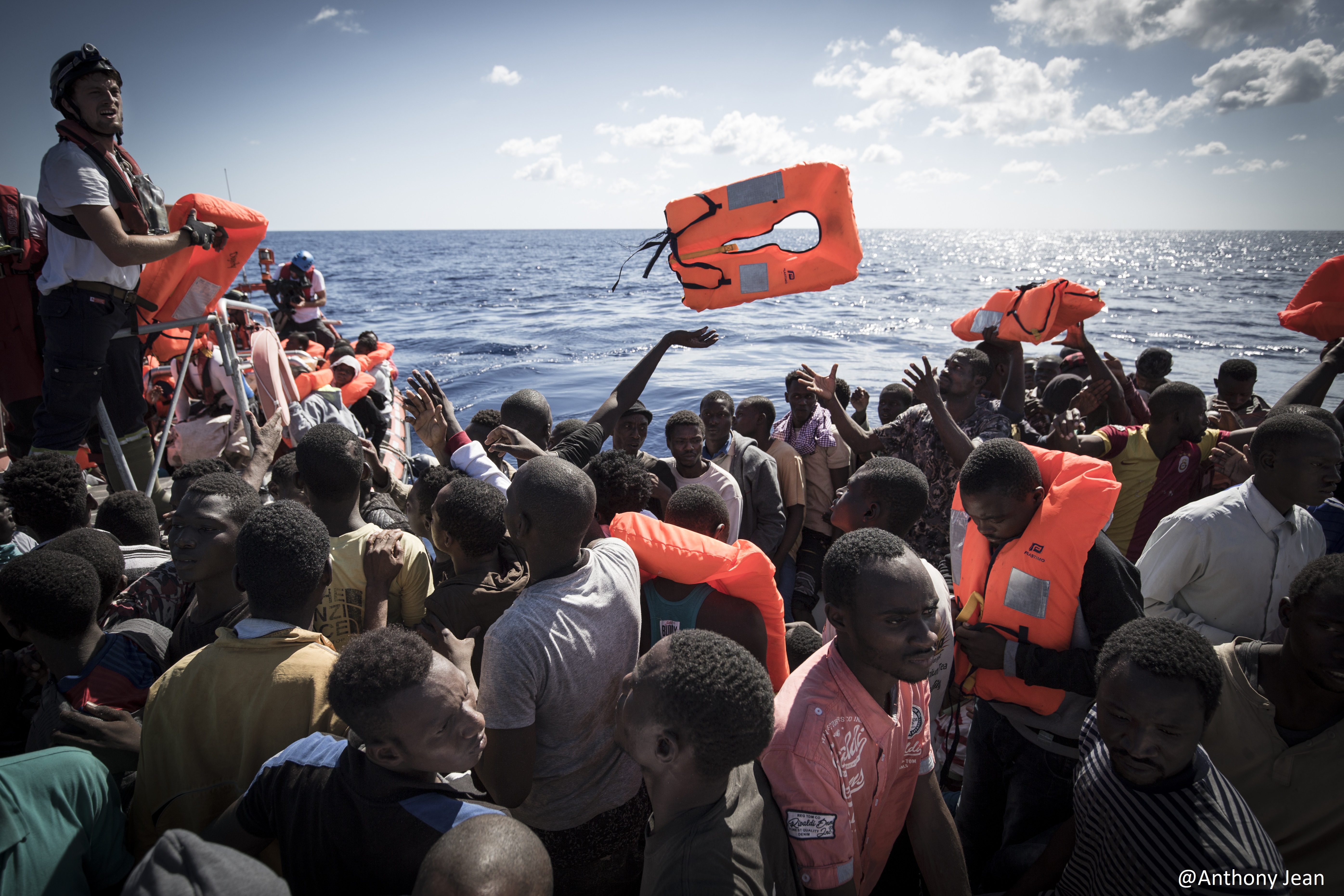
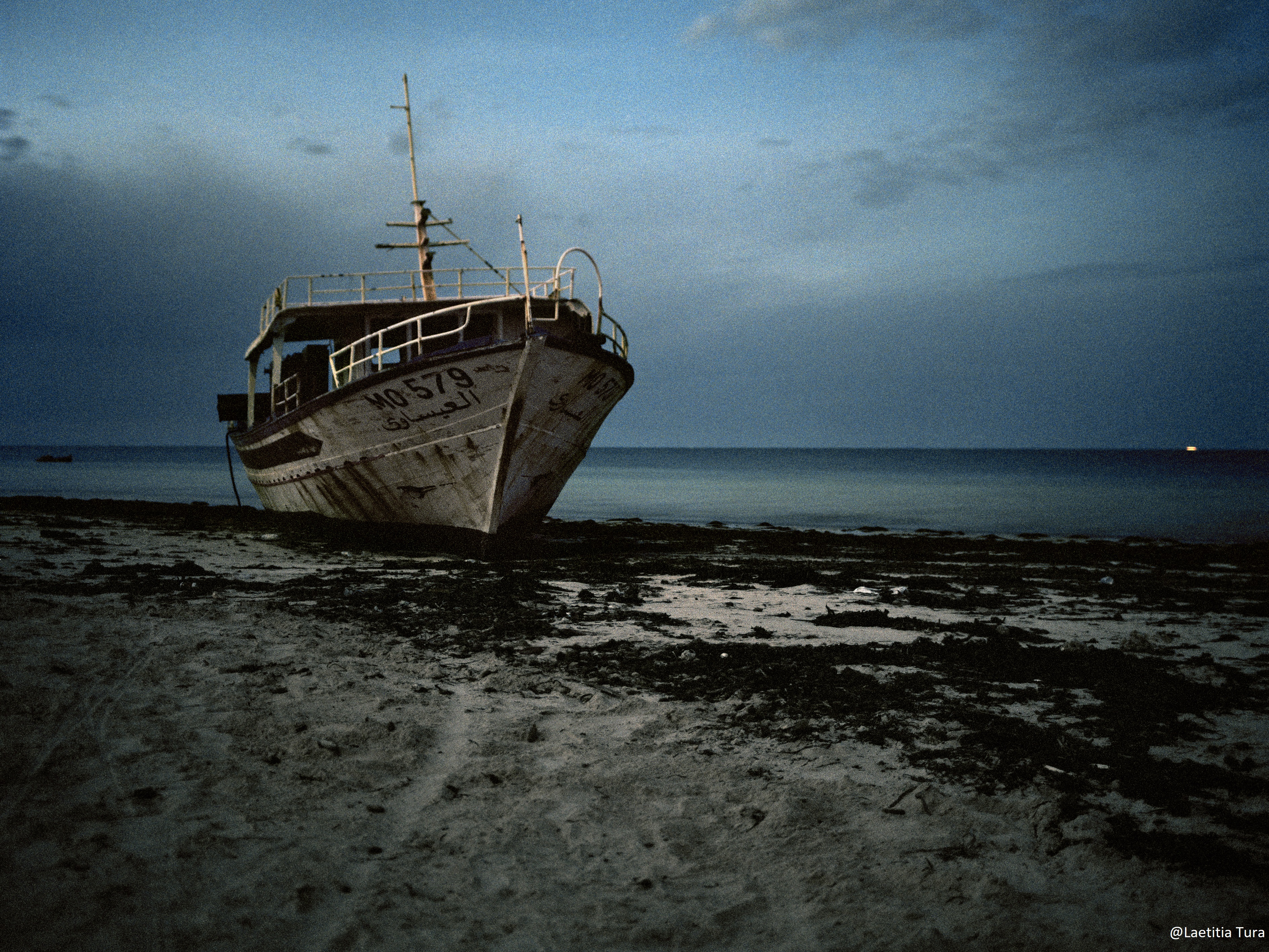
Every single day, small boats are getting lost and sink in the Strait of Sicily, off the Apulian coast or in the Tunisian, Maltese and Italian waters. The migrants on board are sometimes being rescued in tragic circumstances. They continue to leave the African continent, in spite of the political stabilisation in the Maghreb-Mashrek area. Each shipwreck and each tragedy adds to the more than 2000 migrants who have drowned in the Mediterranean Sea since early 2011, as recorded by the UNHCR.
Clearly, what is happening to these makeshift boats does not draw media attention, unlike the events related to the Libyan conflict. But Gadhafi's men have been forcing at gunpoint Subsaharan migrants into boats, and rebels of the National Transitional Council (NTC) have committed violence upon them.
It is also noticeable that the Search And Rescue operations (SAR) are often taking place too late. They demonstrate a lack of will from the EU to welcome and assist the exiles, whereas it has a wide range of means available to do so. Frontex, in particular through its Hermes operation in the Strait of Sicily, along with to the NATO, the navy and air forces, as well as fix and mobile radars are controlling everything that happens in the Mediterranean Sea.
Since last spring, several cases, including one regarding the vessel Almirante Juan de Borbón, have demonstrated that the vessels of the European states are likely to disrespect two principles, the duty to rescue at sea, enshrined in the UnitedNationsConventionontheLawoftheSea(UNCLOSConvention), and the non-refoulement principle of the Geneva Convention.
In addition to this, the number of resettlement of refugees stranded in Libya or in border countries has been very low if not nil for countries like France. Moreover, readmission agreements, facilitating deportation of migrants, are scheduled or are already implemented between the EU on the one hand and Tunisia and Libya on the other.
Many wretches could thus be avoided by the forces in the Mediterranean Sea. Europe could open its door to the high number of migrants who are coming to seek a better life.
In such a context, we feel that it is more than necessary that the civil society from both shores of the Mediterranean Sea organises itself in order to control and denounce the migration controllers (NATO, Frontex, the Italian fraud squad, Maltese army, Tunisian police, and so on). It should also mobilise public opinion on the big number of drawning deaths which are currently taking place, most notably in the strait of Sicily.
Our project is about organising the control of immigration controllers through operation at sea. At the same time, it will undertake a judicial work and the networking of different Mediterranean organisations (civil society, unions, sailors organisations...). We would like to associate the protection of migrants' rights with the respect of sea law and of the access to areas where the wrecking are taking place. This doing we will be able to pressure both the European authorities and the new authorities in North Africa, so as to claim the rights of migrants to be rescued at sea and to be protected within the EU territory if they ask for it.
What makes the Boats 4 People project special is the organisation of actions (civil observation, data gathering, mediatisation, lawsuit) in a place which was not accessible until now: the sea. That's why we need to freight one or more ships to the Sicilian Strait to conduct our first mission which would leave from Rome in July 2012. We plan to go to Sicily and then to the stretch of sea between Italy, Tunisia and Libya, which is the main migration corridor. The mission will take from 3 weeks up to one month and has 3 mains goals :
- mediatisation of the situation in the Sicilian Strait
- civil observation and control of immigration controllers
- Gathering information in order to support lawcase in front of national and international court, and report writing.
There is a strong symbolic and mediatic dimension to this mission. Euromediterranean journalists, politicians and artists will join on board. Everywhere we will stop on the route, symbolic actions will be organised, as well as press conference and meetings with political groups and associations who deal with migration.
But the Boat 4 People project is not restricted to the organisation of this mission, which will contribute to draw attention on a substantive campaign to be led for several years. The project has already undertaken an important amount of work. Testimonies have been collected, satellite pictures from.of the trajectories of military boat have been studied, legal files have been created so as to bring actions against the states members which failed to assist migrants in distress. The project also include legal research, in order to broadcast to sailors and sea people informations on the duty of assistance at sea and the “crimes of solidarity” in case of assistance to migrants. Moreover, Boats 4 People started to network with seafarer unions and pleasure boaters, so as to spread knowledge about our actions and win support in this milieu.The project is indeed the result of a collective work dynamic, generated by the campaign's partner associations from both sides of the Mediterranean sea. The aim of these different axes will be, for the longer term, to build a mediterranean network able to bring political and legal support to migrants at sea.
This campaign needs to become visible, gain media impact and trigger a large mobilisation. In order to achieve this, we need your political and financial support. We also strongly invite you to participate to Boats 4 People actions and to spread information on the campaign on your networks.